Anti-Trust Accusations by Europe, it is telling… but what of??

We all know and
love Google search! Its useful results made Google the No. 1 search engine based
on a its simple premise of returning sites in searches that are most recent,
most used and most relevant.
So what has
landed Google in trouble in Europe? The EU regulator this week is charging
Google with a breach of their Anti-Trust laws through unfair favouritism of it
own e-Shopping services by returning them in Google search engine results before
competition like eBay, Expedia, TripAdvisor and Amazon. If successful, this apparently tactical
charge (Shopping Services) may open up Google to further charges from the EU Regulator
noting the Regulator has already opened an investigation into its Android
platform following complaints about alleged abuse of market power in deal
setting for the platform, which requires Google apps to be pre-installed and pre-set
including Google search engine.
The truth will
have to be gleaned by the regulator and the EU commission, as it’s very unclear
to me that their search engine business practices meets the criteria for
‘search engine bully’ as is implied by the allegations made in this case.
Microsoft had an unapologetic policy of Windows only and was quite ruthless in
its pursuit of control in the market place making the 2000 Anti-Trust case very
visible and justifiable. Google on the other hand have a more-cloudy position
where their priority search engine technology allegedly returns its own
shopping services first. Does it? I tried to see if I was shunted into a
‘Google shopping cart’ in the search engine. The screen shot result below
doesn’t quite tally with the allegations.

95% on average
of all Google search engine users don’t go past the first page, so even if this is true, isn’t the user going to
see the most popular visited sites as quickly as they will see Google shopping
sites? In fact, when I Google’d “eShopping” today, I got American Airlines for
some reason coming up trumps in this key search word. No sign of Google
shopping services per the allegations. So the cloudiness continues…
Google has had
prior issues in Germany in the past about redirects to articles in newspaper
websites from Google search engine. They were being done without newspapers
like Der Spiegel getting a per click payment for the view of the article referred
from Google. What they failed to realise is that nearly 90% of the traffic on
their site came from Google. When the regulator sided with the complainant,
Google simply shut down in Germany and the business impact on lost digital
revenue sent shock waves through the country that led to reversals of decisions
through “exceptions”, which lifted rulings that financially impacted Google allowing
traffic to reopen whilst saving face for European politicians and regulators
alike. In my view, a lack of in-depth understanding on behalf of the Complainants,
Politicians and Regulators alike led to a “storm in a teacup”

Bearing the
above in mind, my advise to Europe’s current Anti-Trust Chief Margrethe
Vestager is to not reach a final opinion on culpability until the following is
fully understood:
- · Complainant(s) complaint and true motivation for the complaint. Also, do they fully understand the implications of their complaint?
- · Technical area affected by the complaint, is it fully covered and fully understood by the senior regulatory team?
- · Business impact of the changes “needed” from Google?
- · Business impact of the changes “needed” on the complainants including a suspension of service by Google? It could be surprising to see how Google actually supports the complainants bottom line so in actuality, the claim that Google is using monopoly power to suppress their business may turn out to be incorrect. Google’s presence may actually support their business and without the digital connectivity of services through Google, they may suffer a loss in business rather then a gain in business through Google’s absence or inhibited service to current offering.
- · Business impact on wider community if Google’s service was forcibly altered? What is the impact of any outcomes including business impact of any forced changes and precedent setting for any future complaints succeeding against this Internet search giant?
To Google’s CEO
Larry Page, I would advise the following in relation to this case:
- · An objective internal investigation is always a must when confirming the actual state of play on an issue V what senior executives “think” is going on. It’s not a question of trust it’s a question of verification and integrity of position taken.
- · Understand the issues along with the interests of the complainants and the regulator. Also, understand how both parties interact with your business in its entirety
- · If there is foul play on Google’s part that leads to unsustainable practice even for short term gain, find it and end it noting the key instigators whom use a taker mentality in overreaching for personal gain, which is in contradiction to ethical practice and company culture that Google certainly appears to embrace! Include the regulator in your investigation and findings. Show you are serious about protecting the rights of others in your role as a dominant market player
- · Approach the regulator with a collaborative rather then confrontational mentality. Your chances of a “win-win” success even in the face of provocation are higher when you use interest based negotiation techniques within a collaborative approach.
There is no
doubt in my mind that the EU has a responsibility to protect its citizens from
unscrupulous corporate entities that seek to profit of Europe to the detriment
of its inhabitants. This applies to smaller players looking to use regulators
to knock the competition as much as it applies to dominant players who abuse
their position to profit at the detriment of community they claim to serve. Does
Google fit this profile of a “market abuser”? I think the truth rests with the
regulator and the completeness of their investigation. My own view based on watching
Google culture for some time and noting the talent it retains is not consistent
with Google being a “market abuser”. However, keeping an open mind, I shall be
keenly following the case. Am I wrong in
my current opinion? Will I have to change it as more facts come to light? Let me know your thoughts...
Sources/Credits:
Pics;
Credits;
“Chanate” for
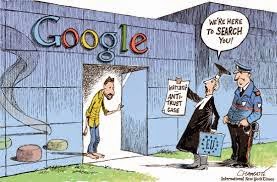
International New York Times in the cartoon sketch of EU Anti trust warrant
served on a Google building.