Showing posts with label #teams. Show all posts

Monday, 21 September 2015

Talent - Does big business know what to do with it?

With Employee Engagement at new lows... What can be done??...

 I took some time over the weekend to catch up with some light reading and was dumbstruck by a 2013 Gallup survey on employee engagement. As a newly minted Software Developer and not so newly minted Marketeer, you can imagine my shock to find out employee engagement overall hit 13% per the 2011-12 period, a 2% rise from 2009-10!! Shocking!

In my prior career, my 12 years of people management and leadership experience was focused on a singular pursuit, which was how to give the best to my people so I can get the best out of them on behalf of my employer? Finding that balance will always be key in my eyes! My adoption of a form of ‘servant leadership’ called consultative leadership drove two way interaction, defining positive impact, giving respect to my subordinates and peers alike along with asserting an air of fairness through good times and bad. In reflection, it garnered respect from good people and contempt from bad ones, whom thought it an opportunity in waiting.

It appears that the challenges I faced as a management professional don’t seem to have abated any, so why can’t employers get THEIR people to believe in them?

Here are my top reasons why:

Hierarchical/Dictatorial Dominance -  If organisational modelling, leadership style dominance and company culture are all tailored to chain communication (downwards only communication), than in practice any dissenting opinions and feedback will be put down by ‘the management.’ It often leads to a culture of do what i say, not what I do… People learn to be timid, submissive or face expulsion from the organisation. With them goes creativity, innovation and ability.

Conflicting Leadership Styles - Too often a company will advertise for staff with a rose tinted set of policies on employee engagement, company culture and how they treat employees. The employee will go into a company and be initially greeted with smiling faces and what they expected from their research into the company. After the honeymoon period is over, the initial phase of enthusiasm by the employee candidate fades. The employee comes to realise that their manager’s leadership style and resulting office politics do not match the collaborative utopia sold to them by the company. Feeling betrayed, they quietly find another job and and undoubtedly, the company’s brand name will incrementally take a beating. People matter, there is only so much room under the carpet for the consequences of bad management.

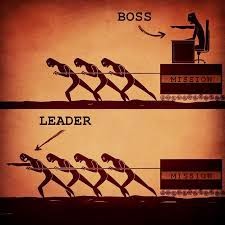
Bad Boss : Good Employee - One of my top taboos in management is captured in this question. Who wants to work for a manager that puts them down at every opportunity to control them, feeds them half truths to keep them “on board” and shamelessly takes credit for their achievements? As the old saying goes “people leave bad managers, not bad companies”. There is an unhealthy amount of bad bosses out there who are masters of self preservation parasitically living of a company, churning staff and deflecting blame to others for their ineptness as a leader. When arrogance is treated as a virtue, bad bosses flourish at the cost of employee engagement!  

So having a taste of bad management like we all have had at some point, what can be done to improve employee engagement. Here is my list of priorities for management:

Leave your comfort zone - Don’t expect employees to do it for you, if you want to harness the power of people and not treat them as part of the business transaction, you need to understand them, what they can do and embrace them as a key attribute to any success providing the feedback and recognition to them for such. Also, leaders need to deliver positive credit to staff and not “hog the spot-light”. The leader is only the spokesperson for the group that deserves the credit!

Remodel your business to place people at its heart - If you model your business to control the (payroll) “biggest cost code” at all costs, then in addition to what transactions you insist on, you will also get only new transactions for new hires, opportunity cost in lost revenue, cost savings and internal collaboration on new business opportunities. You need to give the best to get the best so place your people organisationally in a position of trust, where they are recognised as a vital part of its success!

Hire to admire, not to fire - If you do a good brand assessment finding out what kind of personalities your company brand (& company culture) attracts, along with a personality assessment of the candidate, then you will have a better level of insight into that person and be better able to hire a good cultural fit for what you want your organisation to be.

Communicate to collaborate - “Do as I say, not as I do” should be thrown into the bin permanently to be replaced by “This is what I want you to do and why...” Allow two way interaction and encourage constructive dissent.

Leaving the past behind - If “it’s always done that way” and staff come up with a newer better way, then do it! Don’t pass over ideas because of a busy schedule. Crushing an idea for convenience is crushing the company’s future on a whim. Document ideas, brainstorm them in group/team sessions and record them as potential projects with rankings for project slots that should feed into a company project management programme for innovation. Let staff into innovation, you would be surprised at how many would enjoy it!

Don’t fear change, embrace it - Creative people love change, always carve out a portion of the week for creative stimulation even if it’s a project review, problem solving session, corporate briefing. If you don’t bring staff with you on your journey in change, you will arrive at your un-embraced destination alone.


Management synergy - Another pet peeve of mine in addition to conflicting management styles is senior management ordering something to be done like a ‘give respect/get respect’ policy for a company and then not standing by the sentiment of their instruction. HR is not immune to office politics and thus should not be the catch all for this type of bad behaviour. The responsibility to embrace, believe in, instruct and deploy such strategic policies lies with senior management only. The goal always should be one company, one vision! As Richard Branson said "I truly believe that if you take care of your employees, they'll take care of your business." 

The good news for those who want to make changes and engage with their employees is also in that same Gallup survey. On 2011-12 period, the percentage of those who were not engaged (but not actively disengaged) was at 63%, up 1% from 2009-10. This tells me that a competitive edge exists for senior leaders with vision who can construct a company, which both embraces its people and develops them into the best version of themselves so that they can contribute to their extended ‘company’ families making it not only sustainable but also the best version of itself through each and every day!  


Sources/Credits:

Pics;


Credits


Lilli Popper on unsplash.com for her feature pic

Monday, 14 September 2015

The Art of Communication - Do we say more than we think

Building bridges for the future, it’s harder than it looks!


How many of us automatically look to HR or the Sales guy as an example of a great communicator in our company? How many of us use the same comparison to excuse bad communication from others and ourselves? Afterall, if he’s not a Sales guy, he doesn’t need to be a great communicator, right? Good communication is a requirement for everybody at all levels; if a company is going to be successful over the longer term! It’s the glue that binds people, processes and technology together under a single roof.


So what makes a good communicator? Naturally social sales type? Sure… but the fact is that we can all make good communicators no matter how introverted or extroverted we are! All we have to do is package our message, deliver it so our intended recipient can receive it, decode it and most importantly understand it in the manner that it was intended to be understood in!

Seems straightforward but good communication is dangerously deceptive to grasp in companies of all sizes. Bad communication has quite rightly gotten or shared the blame for many things including:
  • Strategic errors due to misunderstandings between managers and C-suite executives.
  • Poor morale due to poor employee-leader and employee-employee communication.
  • Employees leaving managers/leaders due to endemically bad communication on the part of the manager/leader.
  • Employee disengagement due to bad corporate communications policy and resulting company culture
  • Creation of a fear based working environment
  • Workplace harassment, bullying and intimidation. 
So what is the ‘secret sauce’ that creates good and/or great communication in groups and companies alike? I submit that the following should act as key ingredients  to good/great communication:

Listen more than you speak - the art of communication is understanding. To understand your counterparty, you need to listen to them, understand their message in verbals (e.g. what they are saying/how it is said) and non verbals (e.g. body language/context).

Be emotionally discerning - context is important, if you understand your counterparty’s message, be sure to understand their emotional message also. An angry rant about a supplier may on any other day may be an irritated tangent.

Never make a permanent decision based on a temporary emotion - in times of conflict or apparent conflict, counterparties become adversarial and posture aggressively, which is quite literally “fighting talk!” We naturally respond to aggression with aggression, which even at a subliminal level can lead to ‘heat of the moment’ decisions that can irreparably damage reputations and relationships. In such a situation, a good communicator no matter how challenged they are will respond to aggression with assertion valuing protection of interests over protection of position in a conflict situation.

Understand your environment and company culture - too often, a manager with a background in a hierarchical or dictatorial company culture will be placed in a company that has a adhocracy or clan culture meaning a directional manager brings situationally unaware (aka. directional) communication skills with him into an environment that requires consultative leadership. The results unchecked become disastrous over time.


 Know your stuff - knowing what one is talking about is key to good communication. It’s critically important that integrity fills the gap when one does not know or understand something. It’s ok to confirm what was said, ask for a fuller explanation and admit one does not know something. Make it an opportunity to collaborate in search of the missing information. Setting arrogance and ego aside in cases like this defines a professional communicator and wins over an audience. Respect is earned by being professional and following the facts to a logical outcome.

Watch your body language - I have come across many situations where someone would be talking to me in a focused manner but have very aggressive body language. Their words would say “Hey John, when are we expected to deliver on this initiative” and their body language says “Hey stupid, you gonna deliver and make me look good or shall I find someone else to do it after I fire your ass!” Mean what you say and say what you mean. Counterparties will sense deception and even if it’s not meant, your reputation will take a nosedive along with your credibility if you get a name as a schemer/deceiver!

Focus on interests - Leave the posturing and aggression to professional politicians and amateurs. Professional communicators will always set aside positions for interests and treat their counterparty with respect even when they don’t deserve it. In focusing on interests, you set yourself above the rest by simply finding common ground to communicate with your colleagues/counterparties and gain respect by simply giving it, yet maintaining a stance over your own interests and asserting them when needed.

 Now for the art… the self control, thoughtful orientation and situational awareness of the professional communicator will always have an artful agility to their communication style that connects beyond the professional to one’s personal/core values. Those with the artful x factor are charismatic and have the ability to understand their counterparty accurately through what they say, what they don’t say and how they carry themselves. The artful communicator sees a complete picture of who they are and instantly tailors their communication approach to effectively communicate with the individual on an individual basis. Culture, status, power, life stage and social orientation all matter. It’s the artful communicator that can see this in an instant and communicate in a manner leaving the person with a warm feeling that they know them better than they know themselves!


Who you are reflects in what you say, how you say it and what impression you leave with people you communicate with. Make it good by staying true to yourself, your sense of self and how you want to be remembered in this world. For each of us, it is different, but to effectively communicate, don’t be afraid to bring others into your world if even for a moment. Life will be fuller and happier for the effort…


Sources/Credits:

Pics;


Credits;

Petr Kratochvil took the feature photo (family communication) posted on www.publicdomainpictures.net


Monday, 13 April 2015

Sub Culture, teams and Leadership... Is it a good idea?

Building a better tomorrow or simply swimming upstream?


In our earnest effort to be good leaders, we often think of a utopian paradise where we are loved and everybody looks forward to the start of each working day as much as they are sad leaving their extended family at day’s end. Nothing wrong with this vision, but we often allow good intentions to overly influence our leadership style, our strategic direction and where we think we can go with our team over time.


This can be counter productive and result in disaster if not checked early enough so can apply a more discerning approach to consultative leadership? Being discerning, we need to focus on the details of our leadership and the path ahead through things like:

Team Composition. What type of team do we have? Are the personalities takers, matchers or givers? Are there any functional or dysfunctional Alpha characters? Are there any passive aggressive types on board? Who are the social leaders and are they consistent with your leadership style and compatible with your forming vision for the team’s culture/operating state going forward?


Company Culture. What is your preference for an operating environment and company culture?? Is this combined vision (with your leadership style) to be found in the company leadership handbook, actual company culture and business practice??? Does the meld of all three elements into company culture suit your vision for an operating environment or do you have to create a sub culture for your leadership plans??

Management Practice. Are management ‘laissez faire’ in their actual practices leaving you free to practice leadership as you see fit or do they insist on a particular style?? Do management micromanage you, mentor you and/or coach you??? Will their practices impact your ability create a cultural connection for the team or instantiate a sub cultural environment for you and your team to operate in?

Social Hierarchy. Where do you and your team sit in the company’s social hierarchy structure? Will this impact your leadership plans in creating a consistent working environment to allow the group process to form, storm, norm and perform to set goals and objectives?

These are some conditional elements to consider when you are thinking of creating a productive sub culture in your company that suits your leadership style. Its context, acceptance probability and operational/cultural impact need to be understood in detail before proceeding.

If you find your company’s culture and management practices are consistent with your vision for leadership and a resulting operating environment, then you are in the right place! Well done, proceed with enthusiasm and create a sense of ‘we did it!’

If you find yourself upon reflection in difficulty, learning that management are negative or non responsive to your pitch, where you will drive changes with your team in approach, practices and procedures with a distinct sub culture instantiated, then don’t despair you are not alone! 

Whether it’s a case of management not understanding, not caring or disapproving, I would surmise that your vision may highlight a lack of vision on their part, which can happen for many reasons that have little or nothing to do with you. One needs to think of the follow on approach in terms of these questions:

  1. ·       After pushing for an answer with management, is the response consistent with support or no support bearing in mind that the absence of expressed support is “no support”?
  2. ·       Is the company culture likely to respond aggressively to the sub culture creation (i.e. giver taker culture clash) where your team’s social status is perceived in the company as “weak” due to the collaborative aspects of your leadership and environmental maintenance?
  3. ·       Are there any political considerations above the ‘normal’ limit of office politics where your plans, goals and objectives are perceived to interfere with powerful people or functions within your organisation?
  4. ·       Are your goals unrealistic to the environment you are in? After careful analysis and consideration, are you being asked to build ‘castles in the sand’?
  5. ·       Do you think your direct manager is uncharacteristically keeping his or her distance from you and your plans (not seeing inter company support of you to other company departments and members by your manager can qualify as keeping one’s distance)?

If you are thinking “yes” to all of the above, then the chances are quite real that your leadership style and vision may well fail due to a lack of suitability with your company’s practices, culture and attitude towards what you do and how you want to do it.


What to do? You could solicit direct counsel from your manager as to how he or she wants you to resolve the team/department situation and leave your effective zone of leadership to carry out the resulting instructions. However, in the long term your efforts will be in vain, as you will become a ‘proxy leader’ and not likely to gain the credibility from staff you need to succeed. Best advise if you are hitting a “yes” to those key questions is to find another position within the company or another company that is more suited to your cultural needs and leadership style. I submit that finding a good cultural fit is more important for the incoming employee then it is for the company as we perform best where we belong, not where we are employed! Marry the two together, and you enter a win-win relationship with your employer!


Great leadership starts with great vision, which in turn starts with seeing the situation for what it is, enacting a picture of what will be and then mapping the key milestones to getting there.  If you can do this, then you are on the right track. If you can’t see this or your company wont allow you to, then find another company who shares your passion for doing it right. What’s “right” depends on finding those of like mind to surround you! When you do, you will do great things!!


Sources/Credits:

Pics;


www.unsplash.com (Rayi Christian Wicaksono)


Credits;